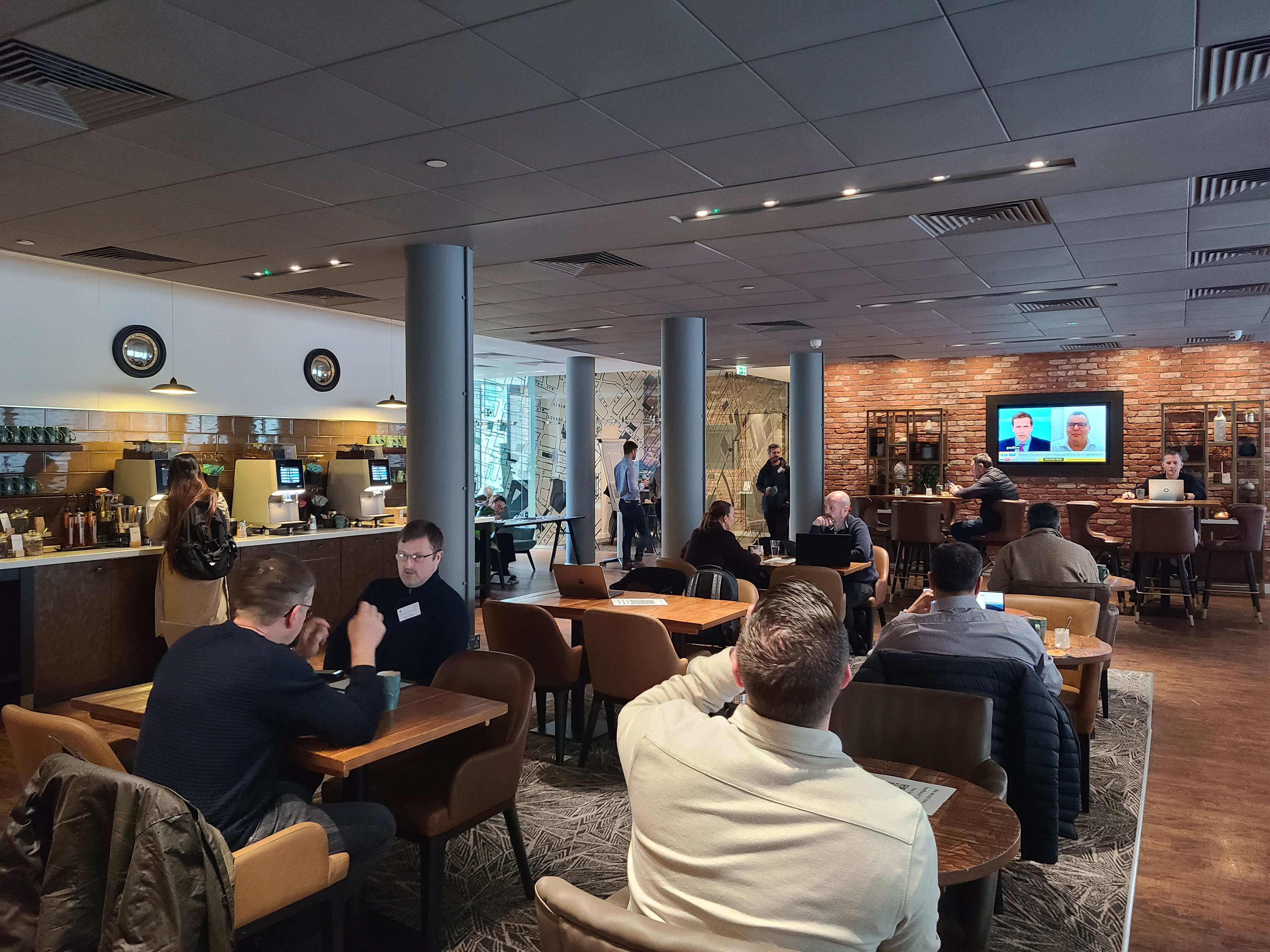
GM Business Growth Hub’s International Scale-Up Programme (ISU) reconvened on 25 March for the second day of its Cohort 2 workshops, bringing together a diverse group of ambitious product and service businesses preparing to expand internationally. While Day 1 introduced the fundamentals of export planning and market selection, Day 2 shifted into the practicalities of selling overseas—with an emphasis on product exporting, regulatory compliance, documentation, logistics, and intellectual property.
For Greater Manchester businesses at the early stages of their export journey, the day offered a rare chance to develop hands‑on expertise while accessing the region’s interconnected support ecosystem, including GM Business Growth Hub, Greater Manchester Chamber of Commerce, the Department for Business and Trade (DBT), and specialist trade advisers.
Building Strong Foundations for Product Exporters
With product businesses forming a significant part of the cohort, the morning sessions focused on the real-world steps required to move goods across borders successfully.
A key theme was understanding genuine demand, rather than assuming that success in the UK will automatically translate overseas. Delegates explored how customer preferences, competitor behaviour, pricing sensitivity and cultural expectations differ widely across markets.
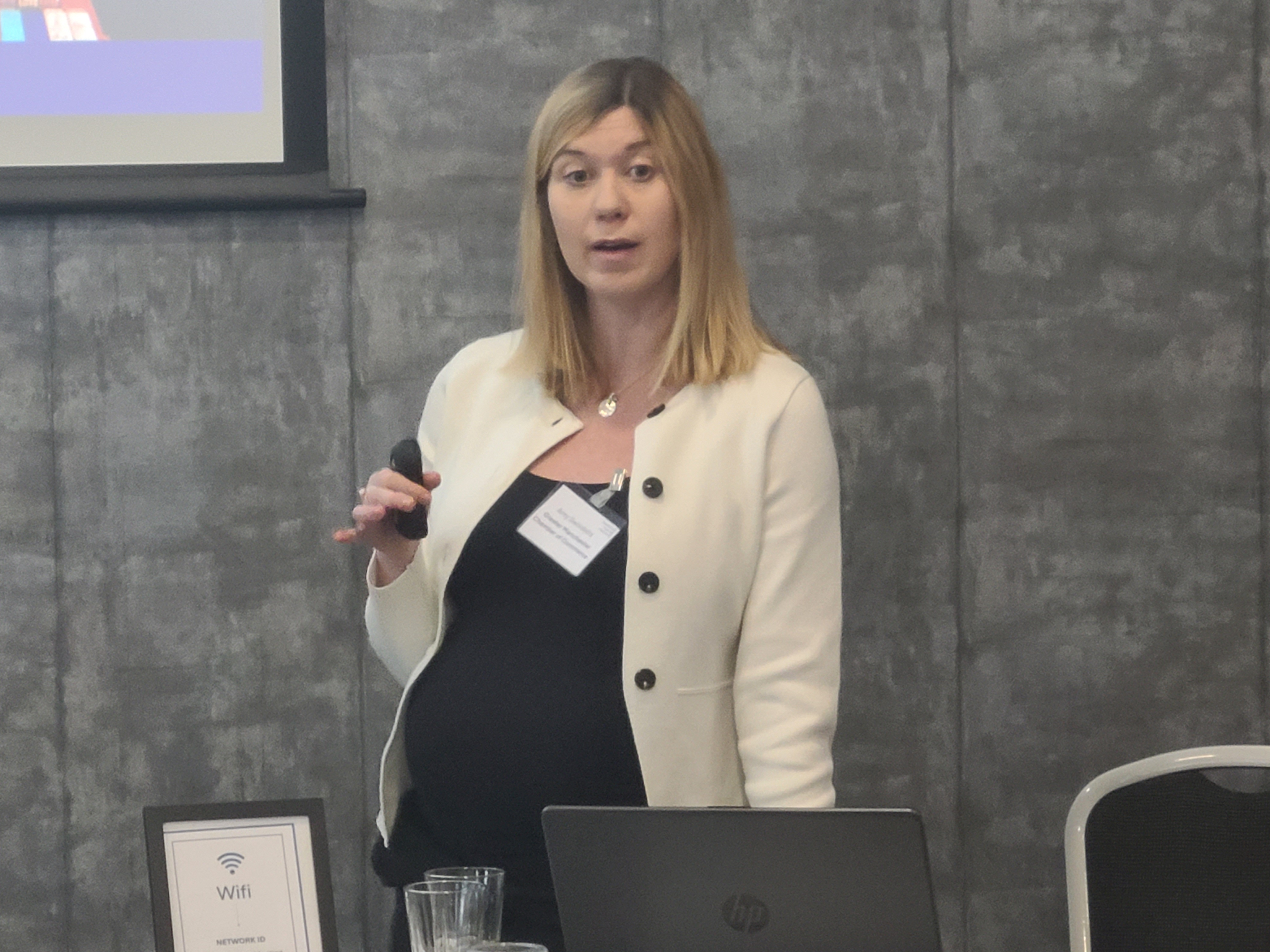
From there, the focus shifted to documentation and compliance—an area where many SMEs underestimate the complexity. Amy Swindells, Head of International Trade at Greater Manchester Chamber of Commerce, highlighted that “documentation is often where things go wrong, not the product itself.” She emphasised the importance of accurate commercial invoices, correct HS codes, compliant labelling, and certificates of origin. Amy also noted that many businesses are unaware of the breadth of support the Chamber provides, from customs training to documentation checking and specialist export advice. “Understanding these requirements early prevents costly delays—and we’re here in Greater Manchester to help businesses navigate that with confidence,” she added.
The session on regulatory and legal compliance underlined that each market has its own rules on safety standards, product certification, packaging, and restricted items. Whether navigating CE or FDA approvals, phytosanitary requirements, or country‑specific labelling rules, exporters were encouraged to check regulations before shipping, not afterwards.
Pricing also emerged as a critical consideration. Exporting involves additional costs—duties, taxes, insurance, packaging standards, logistics fees—and failing to factor them in can erode margins. By understanding Incoterms and total landed cost early, businesses can price realistically and maintain commercial viability.
Logistics rounded out the product-focused sessions, with practical guidance on choosing transport modes, using reliable freight forwarders, selecting between direct shipping, local distributors or 3PLs, and ensuring packaging is durable and compliant for international journeys. A simple oversight, such as not meeting ISPM 15 standards for wooden packaging or using inadequate materials for hot climates, can result in rejection at customs or damaged goods.
Avoiding Common Pitfalls: Insights from DBT
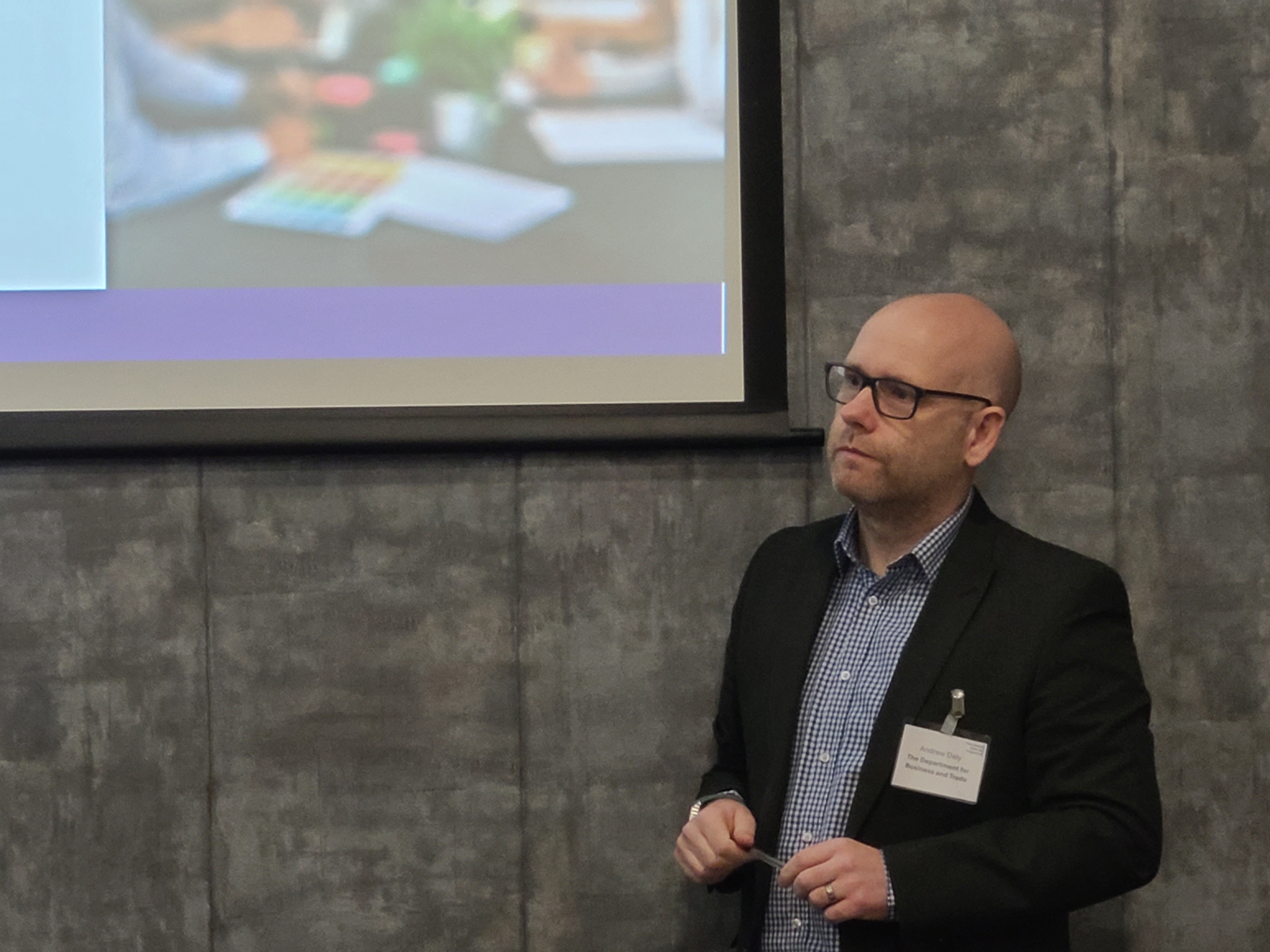
Andrew Daly, International Trade Adviser at DBT, brought a grounded perspective on the mistakes he sees most often from first‑time exporters. “Many businesses underestimate the impact of Incoterms, misclassify their goods, or assume customs agents will fix errors automatically,” he explained. Andrew encouraged companies to take ownership of their HS codes, documentation, and declarations, noting that inaccuracies can quickly cause delays, fines, or loss of duty relief. His message was reassuring but firm: these mistakes are avoidable with preparation, and DBT is on hand to help businesses build the right processes from the start.
Selling Services Overseas: Parallel Challenges, Different Rules
Although Day 2 focused heavily on product exporting, service exporters also explored a structured set of considerations—from regulatory frameworks to data compliance, staff mobility, localisation, contracting, and pricing.
Service export may avoid physical goods and customs complexities, but it introduces its own demands. Delegates learned how professional qualifications, data residency rules, and cross‑border contracting standards can shape market entry. The session reinforced that, for service-led businesses, clarity in contracts and IP ownership is as important as logistics and documentation are for product exporters.
Digital, E-Commerce and IP: Essential Tools for Global Growth
The afternoon sessions shifted towards digital routes to market, particularly relevant for product exporters testing demand in new regions. Delegates learned how international marketplaces, local payment preferences, platform-specific compliance, and cross-border fulfilment models influence an exporter’s credibility and customer experience.
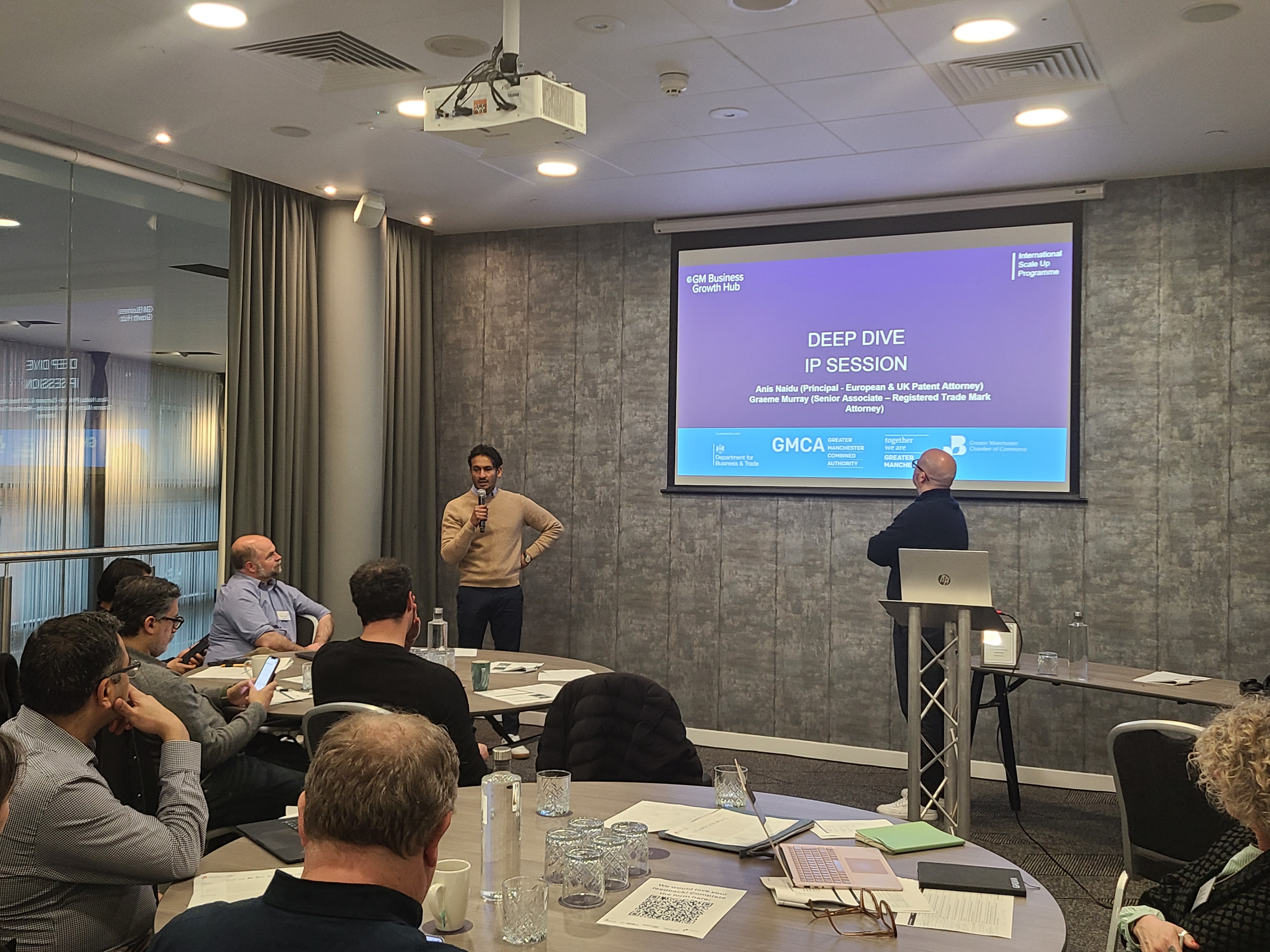
Immediately after, intellectual property took centre stage. Anis Naidu, Principal at Marks & Clerk, urged businesses to think about brand protection long before entering a market. “Registering your trademark and securing your IP early can save you from disputes, lost opportunities, or brand damage down the line,” he advised. Anis highlighted that SMEs often assume IP is complicated, but with a single point of contact and the right advice, protecting brand identity internationally becomes far more manageable. His session helped demystify patents, trademarks, design rights and freedom‑to‑operate considerations.
A Cohort Built on Collaboration and Shared Ambition
The day concluded with the Trade Experts Business Clinic, where delegates met advisers from GM Chamber, DBT, translation specialists, logistics providers, sustainability advisers and more. These one‑to‑one conversations helped many businesses pinpoint the next steps in their export action plans.
For Garreth Brown, Finance & Transformation Lead at Heyside Group, the experience underscored the value of the ISU Programme:
“The best part was learning from other businesses and discovering support we didn’t know existed in Greater Manchester. The networking alone has opened doors—and exploring collaboration with organisations like the Chamber and DBT is now at the top of my to‑do list.”
His reflection captures the spirit of the two-day event: practical learning, shared insight, and a strengthened belief that exporting is achievable when businesses have the right support behind them.
If your business is exploring international markets and would benefit from the kind of expert guidance and peer learning showcased in this workshop, visit the International Scale-Up Programme webpage to learn more about how the programme can support your export journey.
Get in touch
Please contact us at 0161 3593050 or query below.
Take that first step and we’ll support you with whatever you need to succeed.
Sign-up to our newsletter
Insights, news, events and opportunities straight to your inbox.