By Ishan Dutta, International Growth Specialist, GM Business Growth Hub
Ten years on from the Brexit referendum, the UK’s trading landscape is no longer in transition. It has fundamentally changed.
Many businesses across Greater Manchester continue to grow internationally, adapting to new challenges while finding opportunities in both European and global markets. Brexit has reshaped who is exporting, how they export, and where growth is coming from.
The question now is not what has changed, but how businesses respond.
A smaller exporter base, but not a weaker one
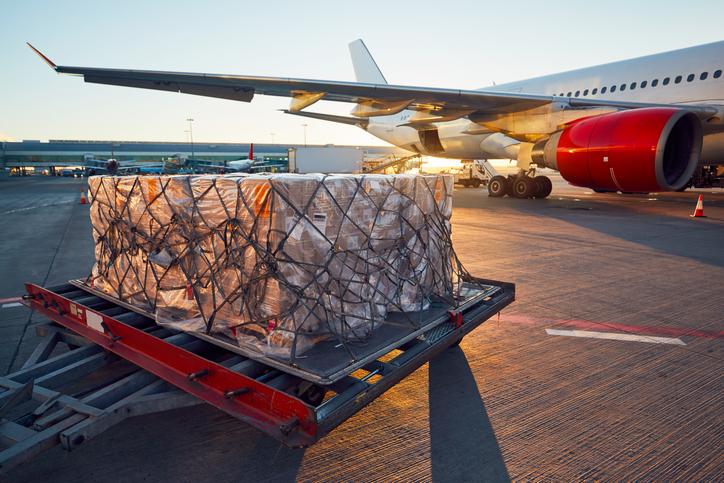
One of the most visible changes since Brexit has been a decline in the number of UK businesses trading with the EU, particularly among smaller firms.
Estimates suggest that around 20,000 UK businesses have stepped back from exporting to the EU, with SMEs disproportionately affected.
Behind those numbers is a consistent message from businesses themselves.
Many businesses now describe a trading environment shaped by increased paperwork, delays and rising costs. Research from the British Chambers of Commerce shows that over half of UK exporters believe current trading arrangements with the EU are not supporting growth, highlighting the ongoing impact of administrative and regulatory barriers.
This is reflected in wider business sentiment, with government survey data indicating that around a third of SMEs continue to view Brexit as an obstacle to growth. The Growth Company’s latest survey highlights ongoing cost pressures, cashflow concerns and trade uncertainty as key issues facing Greater Manchester businesses, reinforcing the scale of the challenge for exporters.
Across Greater Manchester and the North West, this aligns with what we continue to hear directly from businesses: international ambition remains strong, but the route to market, particularly in Europe, has become more complex and resource-intensive, especially for manufacturers.
Exports are growing, but the mix is changing
Despite this contraction in exporter numbers, the UK’s overall export performance tells a more nuanced story.
In 2025, UK exports of goods and services reached over £930 billion, continuing a steady upward trend.
But this growth is increasingly driven by services, rather than goods:
- Goods exports have seen slight declines
- Services exports have grown strongly, including around 8% growth in the most recent year
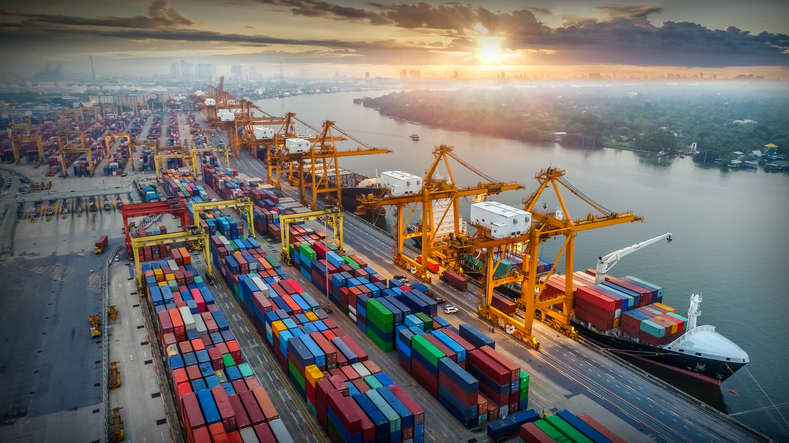
This reflects a broader structural shift. The UK economy, and regions like Greater Manchester in particular, are becoming more service-led in how they trade internationally.
This trend is also reflected at a local level. In Greater Manchester, goods exports to the EU increased modestly by 2% between 2019 and 2024, reaching approximately £3.9 billion. Over the same period, exports to non-EU markets grew more strongly, rising by 22%.
However, this growth has taken place alongside a significant contraction in the number of exporters. The number of Greater Manchester businesses exporting goods to the EU fell by nearly a fifth over the same period.
Together, these trends highlight an important shift. While overall export value remains resilient, fewer businesses are actively trading internationally, and those that are have adapted by diversifying markets and strengthening their export capability.
For GM, with strengths in digital, professional services and innovation-led sectors, this presents a clear opportunity. For manufacturing and goods exporters, however, the trading environment remains more challenging.
The EU remains critical, but more complex
The EU continues to be the UK’s largest trading partner, accounting for around 41% of exports.
For businesses in Greater Manchester, Europe remains a natural and vital market. But trading with the bloc is no longer frictionless.
While services have proven more resilient, goods exports to the EU remain below pre-Brexit levels, reflecting the impact of regulatory checks, customs processes, and additional compliance requirements.
This has created a more complex dynamic: demand remains, but accessing it requires greater capability and preparation.
The barriers are now part of the system
A decade on, the barriers businesses highlight remain consistent and are now embedded in the trading environment:
- Customs processes and border requirements
- Regulatory divergence between the UK and EU
- Rising logistics and compliance costs
- Access to finance
- Finding trusted in-market partners
Recent business surveys reinforce this picture, with a majority of SMEs reporting ongoing trade barriers and increased costs linked to Brexit.
For many businesses, these are no longer transitional challenges. They are part of the day-to-day reality and costs of exporting.
What successful exporters in Greater Manchester are doing differently
Despite this, many businesses across Greater Manchester continue to grow internationally. There are clear patterns in how they are approaching this:
- Investing in export readiness and compliance capability
- Diversifying beyond the EU into global growth markets
- Building in-market partnerships to reduce risk and friction
- Taking a more strategic, long-term view of international expansion
The lesson is clear: success in exporting today is less about opportunity alone, and more about capability.
In practice, this is already happening across businesses in Greater Manchester.

Through the International Scale Up programme, companies such as Masumi Headwear (Avakino Ltd.) and Content Chemistry have strengthened their international strategies. By building a clearer understanding of regulatory requirements and market dynamics, they have been able to continue trading internationally and expand their reach into new markets.
Similarly, Pimberly has scaled its international presence with greater confidence, using targeted support to refine its market positioning and build stronger connections with overseas partners.
These examples highlight how Greater Manchester businesses are not only navigating post-Brexit challenges but actively positioning themselves for growth in global markets.
Supporting international growth in a more complex landscape
Across Greater Manchester, the ambition to grow internationally remains strong.
But ambition alone is not enough. Businesses need insight, preparation and the right connections to navigate increasingly complex global markets.
This is where coordinated support plays a critical role. Bringing together regional expertise, national capability and international networks helps businesses turn ambition into sustained growth.
Looking ahead
Brexit is no longer a disruption. It is the operating environment.
Ten years on, the focus has shifted from adjustment to adaptation.
For Greater Manchester businesses, the opportunity to grow internationally remains strong. Success will depend on how effectively they respond to a more complex, competitive and evolving global market.
Get in touch
Please contact us at 0161 3593050 or query below.
Take that first step and we’ll support you with whatever you need to succeed.
Sign-up to our newsletter
Insights, news, events and opportunities straight to your inbox.