Businesses continue to face a rapidly evolving landscape shaped by technology, sustainability and global challenges. Greater Manchester is at the forefront of this transformation, creating an ecosystem where ideas turn into impact.
The start of a new year is always the perfect moment to reflect on what we’ve learned and plan for what’s next. With 2025 being a year of many innovation breakthroughs, let’s explore the key trends we witnessed and how you can leverage these into 2026 and beyond.
1. AI and Cyber
It probably isn’t a shock to many that AI and Cyber remained a hot topic in 2025. Regionally, AI, Cyber and Digital, are expected to be a key economic growth driver in Greater Manchester, highlighted in the Digital, AI and Cyber development plan from GMCA. In fact, Greater Manchester has the largest AI cluster in the UK by employees, with Manchester being named the UK’s most AI ready city in 2025.
Businesses have been able to take advantage of Greater Manchester’s strong digital R&D ecosystem, which is supported by numerous innovation assets such as the Universities, Turing Innovation Catalyst, DiSH, the Centre for Digital Innovation and the Home of Skills and Technology.
At the Business Growth Hub, we have seen firsthand how businesses can increase capacity, workforce, revenue and productivity from accessing support to implementing AI and digital systems in a secure way.
AI: From Hype to Productivity
The era of “AI for the sake of AI” is fading, replaced by a drive to solve real business problems. Businesses are now more confidently deploying custom GPTs, AI copilots and workflow automation tools that streamline admin and unlock new efficiencies.
A major 2025 development is the rise of “agentic AI”, autonomous agents that can plan, reason and execute multi-step tasks independently. These agents are transforming business operations, customer service and supply chains, freeing up human talent for higher-value work.
However, the rise in AI is also bringing about conversations relating to governance and ethics. Data stewardship, transparency and security are now board-level concerns. With 34.8% of corporate data pasted into AI tools being of a sensitive nature, robust governance frameworks are no longer optional, they’re essential.
Why Cybersecurity Matters More Than Ever
As AI and digital tools become more embedded, the need for secure, ethical and resilient systems has never been greater. Sensible data security has been highlighted in 2025, with high-profile breaches such as Co-op and Marks and Spencer making headlines. In fact, the Jaguar Land Rover cyber-attack has been dubbed the most expensive cyber-attack in UK history, costing an estimated £1.9 billion and requiring government intervention.
Supply chain security emerged as a central issue in some of the most significant cyber incidents throughout 2025. Many SMEs still underestimate their risk exposure – large organisations may survive a cyberattack, but SMEs can be totally wiped out.
And while AI is revolutionising cyber defence, it’s also ironically fuelling the next generation of cyber threats. AI cyber-attacks can now attack faster and adapt mid-attack, changing in response to defensive actions. AI deepfake technology is also improving, leaving businesses at risk of social engineering through realistic, voice and video deepfakes. AI may also drive smarter phishing attacks, drafting personalised and context aware phishing emails.
2. Health Innovation
Health Innovation in Greater Manchester is supported by a triple helix approach, linking academia, industry and local government initiatives. The Greater Manchester’s health innovation ecosystem has been highlighted by the UK government, with Greater Manchester being named as the UK’s first Prevention Demonstrator, championing many digital health solutions.
The region has strong life science R&D assets, with universities and innovation assets – such as CityLabs co-located on Oxford Road alongside the University of Manchester NHS Foundation Trust – and the Christie, Europe’s largest single site cancer campus.
At the Business Growth Hub, we have seen how Health Innovation businesses in greater Manchester are embracing this digital shift, accessing ecosystem support to reduce their time to market, increase their workforce and revenue projections.
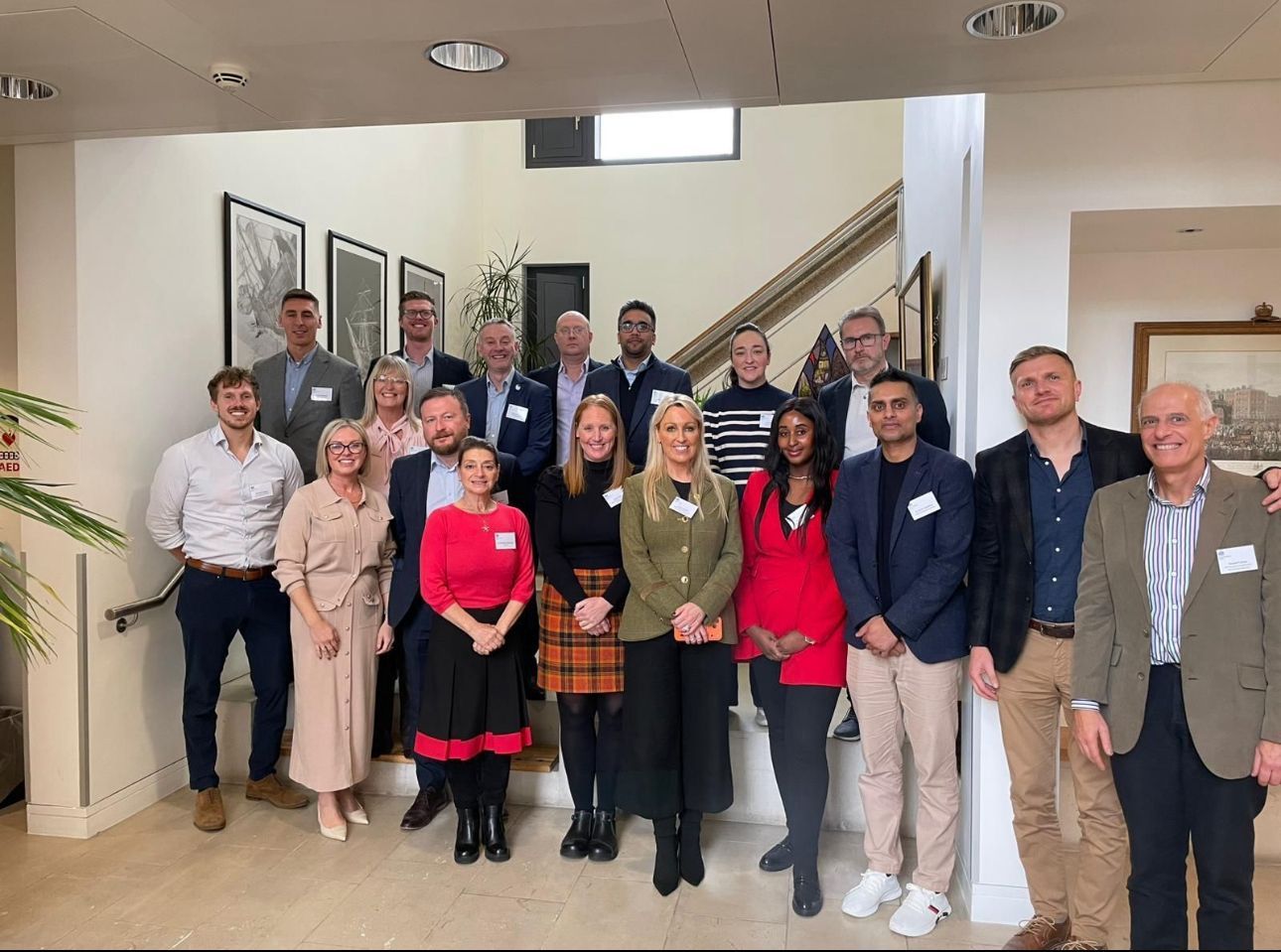
Learn how innovation support helped Wisterias bring care-tech to market
Building Smarter Healthcare with Digital Innovation
In 2025, the government published their 10-year health plan, highlighting a shift from analogue to digital, with ambition that the NHS will be digital by default. This plan, alongside the government Life Sciences sector plan (which highlighted actions around unlocking NHS data) makes it clear that digital innovation within the Healthcare industry is a priority.
HealthTech is increasingly being highlighted as offering solutions that can support NHS capacity. These may include digital therapeutics for mental health conditions, technology to support diagnosis, prediction or prevention of common health conditions or technology to support better patient outcomes.
Innovation in the Healthcare sector has the potential to deliver economic impact and growth through population health improvement, boosted workforce productivity and reduced NHS pressures. In fact, health innovations targeting productivity gains through reducing NHS staff health related absences are predicted to address 233 million lost hours, worth £8.55 billion.
3. Net-Zero
Greater Manchester is the largest Low Carbon sector outside of London and the South-East, with World-class research & innovation assets across all GM universities (High Voltage Lab, Tyndall Centre, Dalton Nuclear, Fuel Cell Innovation Centre, Energy House), and stakeholders such as Sustainable Ventures choosing to base themselves in Greater Manchester.
At the Business Growth Hub, we’ve seen how investing in innovation and working with the ecosystem, is not only helping businesses work towards their net zero goals, but also increasing their productivity, workforce and projected turnover.
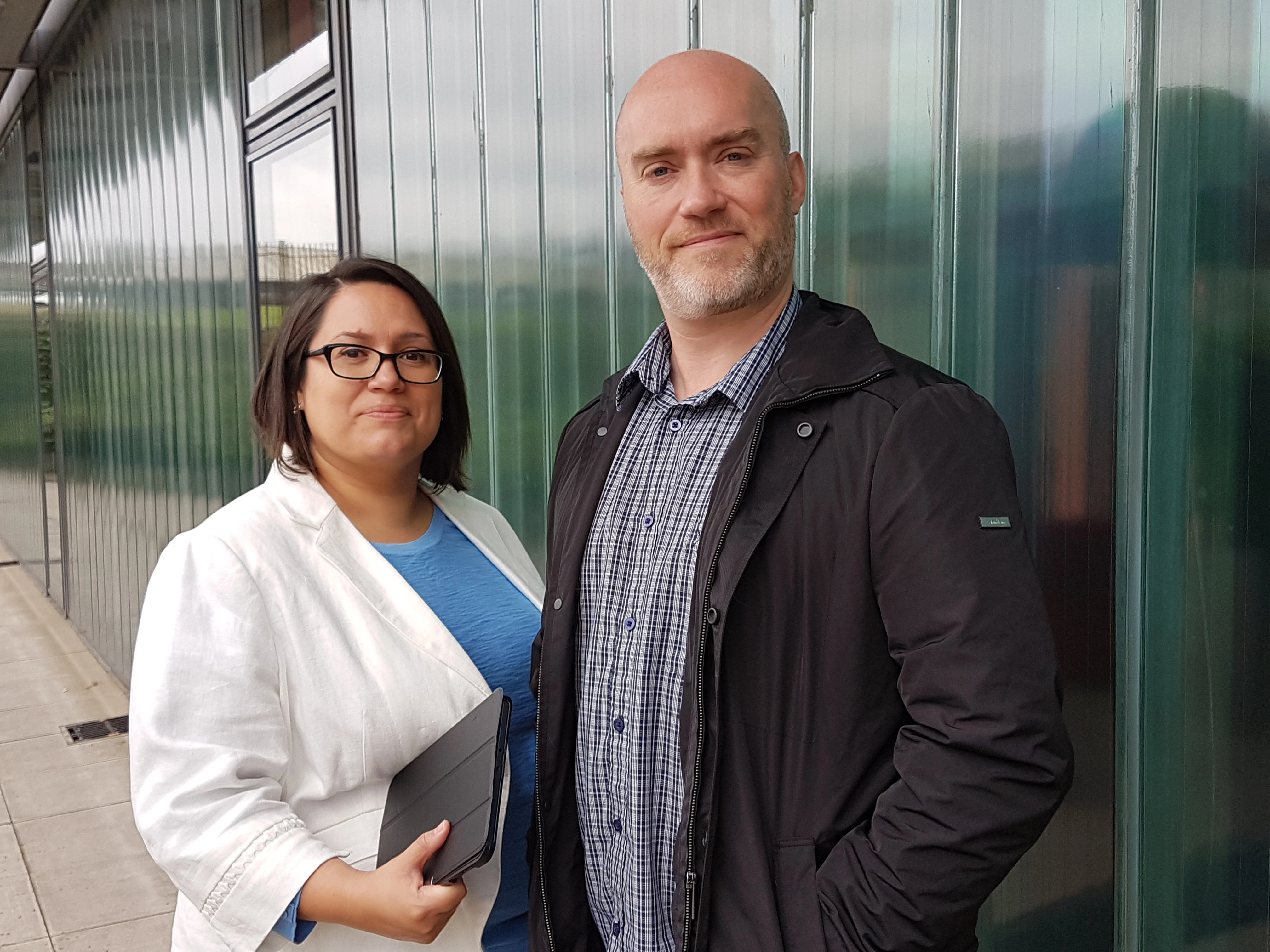
Innovation to Drive Sustainability
Businesses looking to be more sustainable are looking at how innovation can drive this, whether it’s circular economy principles, retrofitting new technology, reducing carbon output of manufacturing and logistics processes or improving the green credentials of their products/services by finding alternative materials or processes.
In the last 12 months, 1 in 10 SMEs report being asked for carbon footprint data by customers when tendering for contracts and 75% of SMEs have cited at least one benefit to their organisation of working towards net-Zero (including direct cost savings and reputational advantage). Making net-zero a priority can be a competitive advantage for SMEs.
GM’s Low Carbon sector is deeply interconnected with the region’s other Frontier Sectors. There are particularly strong links with advanced materials, advanced manufacturing, digital and cyber. AI solutions can also optimise energy usage, waste management and environmental monitoring, while cyber capabilities are instrumental in providing the resilient and integrity of energy infrastructure.
Ready to Innovate in 2026? Let’s Talk
Want to implement new AI systems within your business? Or do you want to make more steps to reaching Net-Zero? Our Innovation Team is here to help.
Our Innovation Team at the Business Growth Hub works with businesses of all sizes to unlock new opportunities, connect with world-class assets and implement solutions that deliver real impact.
Get in touch with your Innovation Specialist now to find out more.
Get in touch
Please contact us at 0161 3593050 or query below.
Take that first step and we’ll support you with whatever you need to succeed.
Sign-up to our newsletter
Insights, news, events and opportunities straight to your inbox.